Patient guide · Visas and stay
Planning a Medical Trip to China: Visas, Stay and Practicalities
Which entry route allows medical treatment, what documents a patient and a carer need, how to stay longer if treatment runs over, and what to do on arrival — checked against National Immigration Administration, embassy and visa centre pages, most recently on 2 October 2026.

Quick answer. Agree the treatment with a hospital first, then apply for an S2 visa with the hospital's admission or proposed-treatment certificate. Visa-free entry is not designed for treatment, except in Hainan. Once in China, register your address within 24 hours if you are not in a hotel, and apply for any extension at least 7 days before your permitted stay ends.[2],[7],[13],[15]
Plan in this order: records, hospital, visa, travel
A medical trip has more moving parts than a holiday with a clinic visit attached, and they depend on each other. The visa application needs a certificate from the hospital. The hospital can only say whether it may be able to help once it has seen your records. So the order is fixed: records first, then the hospital, then the visa, and travel bookings last.
Before you commit to travel, ask the hospital for two things in writing: confirmation that the department can see you, and an estimate of the cost. An estimate given before a doctor at the hospital has looked at your records is only a rough guide — ask for it again after the review. Our directory of hospitals in China shows which hospitals name an international unit, and the booking phone numbers they publish for patients from abroad.
A hospital agreeing to see you and a consulate issuing a visa are separate decisions. Neither guarantees the other, so keep flights and accommodation changeable until you have both. The whole sequence is set out in the twelve-week planning frame below.
[2]
What records to prepare
Before you contact a hospital, gather a doctor's summary, recent test, pathology and imaging reports with the image files, a list of your current medicines and allergies, and your questions. In our experience of working with hospitals' international departments, two things hold up a review more than anything else.
- Results that are too old. Hospitals want recent results — tests and imaging from the last three to six months. Older ones are not accepted as a basis for a decision, so bring them up to date before you send your file.
- Records in other languages. Records that are not in Chinese or English need a certified translation. We have not found a national rule that sets the format, so ask the hospital what it accepts before you pay for one.
Put everything in one dated file. Our guide to preparing your medical records lists what to gather and why, how Chinese hospitals treat results from elsewhere, and how your health information is protected.

Which entry route allows treatment?
Immigration rules change often and each embassy applies its own checklist, so treat this table as orientation and confirm with the Chinese embassy, consulate or visa centre that serves you. A China Daily report in January 2026 put it plainly: China's visa-free entry policy does not include visits for medical purposes.
Some mutual visa-exemption agreements are wider. Malaysia's, for example, lists medical treatment among its purposes for stays of up to 30 days.
[3],[4]| Route | Maximum stay | Medical treatment a listed purpose? | Where it applies | Ends |
|---|---|---|---|---|
| S2 visa (short-term private affairs) | Over 30 and up to 180 days | Yes, with a hospital certificate | All of mainland China | Standing visa category |
| S1 visa (long-term private affairs) | Over 180 days, through a residence permit applied for within 30 days of entry | Supports a medical residence permit (treatment of 6 months or more) | All of mainland China | Standing visa category |
| Unilateral visa-free entry (50 countries) | 30 days, counted from 00:00 the day after entry | No — business, tourism, visiting family and friends, exchange, transit | All of mainland China | 31 Dec 2026 for 48 countries; Russia 31 Dec 2027 |
| Mutual visa exemption (e.g. Malaysia) | 30 days per stay under most agreements | Depends on the agreement — Malaysia's includes it | All of mainland China | Agreement-based |
| 240-hour visa-free transit (57 countries) | 10 days, with an onward ticket to a third country | No — travel, business, visits, family reunions | 65 ports in 24 provinces, within designated areas | — |
| Hainan visa-free entry (61 countries) | 30 days | Yes (就医) | Hainan Province only | — |
| Port visa | Single entry, up to 30 days | Humanitarian cases such as visiting a critically ill patient | Designated ports | — |
Visa-free entry: which countries qualify
Many short visits to China no longer need a visa. Holders of ordinary passports from the 50 countries below can enter mainland China without one and stay for up to 30 days, counted from 00:00 on the day after entry. The purposes the policy lists are business, tourism, visits to relatives and friends, exchange visits and transit.
Medical treatment is not among those purposes, and a China Daily report in January 2026 said plainly that the visa-free policy does not include visits for medical purposes. If treatment is the reason for your trip, the route that names it is the S2 visa. The United States is not on this list.
For 48 of the 50 countries the policy runs until 31 December 2026; for Russia until 31 December 2027. Check the list again before you travel.
[7],[8],[3],[9]| Region | Countries |
|---|---|
| Europe (35) | Andorra, Austria, Belgium, Bulgaria, Croatia, Cyprus, Denmark, Estonia, Finland, France, Germany, Greece, Hungary, Iceland, Ireland, Italy, Latvia, Liechtenstein, Luxembourg, Malta, Monaco, Montenegro, the Netherlands, North Macedonia, Norway, Poland, Portugal, Romania, Russia, Slovakia, Slovenia, Spain, Sweden, Switzerland, the United Kingdom |
| Asia (7) | Bahrain, Brunei, Japan, Kuwait, Oman, Saudi Arabia, South Korea |
| Americas (6) | Argentina, Brazil, Canada, Chile, Peru, Uruguay |
| Oceania (2) | Australia, New Zealand |
Hainan: visa-free entry that includes treatment
Hainan Province has its own scheme, and it names medical treatment (就医) as a purpose, alongside tourism, business, visits, family visits, exhibitions and sports. It covers ordinary-passport holders from 61 countries — the United States among them — for stays of up to 30 days. You must enter through one of Hainan's open ports and stay within the province.
That makes Hainan the practical option for a short, planned visit to a hospital there without a visa. For treatment anywhere else in mainland China, or for a stay of more than 30 days, apply for an S2 visa.
[13],[12]| Region | Countries |
|---|---|
| Europe (40) | Albania, Austria, Belarus, Belgium, Bosnia and Herzegovina, Bulgaria, Croatia, Cyprus, Czechia, Denmark, Estonia, Finland, France, Germany, Greece, Hungary, Iceland, Ireland, Italy, Latvia, Lithuania, Luxembourg, Malta, Monaco, Montenegro, the Netherlands, North Macedonia, Norway, Poland, Portugal, Romania, Russia, Serbia, Slovakia, Slovenia, Spain, Sweden, Switzerland, Ukraine, the United Kingdom |
| Asia (13) | Brunei, Indonesia, Japan, Kazakhstan, Kyrgyzstan, Malaysia, the Philippines, Qatar, Singapore, South Korea, Thailand, the United Arab Emirates, Vietnam |
| Americas (6) | Argentina, Brazil, Canada, Chile, Mexico, the United States |
| Oceania (2) | Australia, New Zealand |
Documents for the visa
In practice you need a hospital to agree to see you before you apply. At least one official Chinese Visa Application Service Center lists the documents below, and the UK embassy accepts proof of hospitalisation, a medical admission record or an invitation letter from the hospital. Consular officers can ask for more.
[2],[5]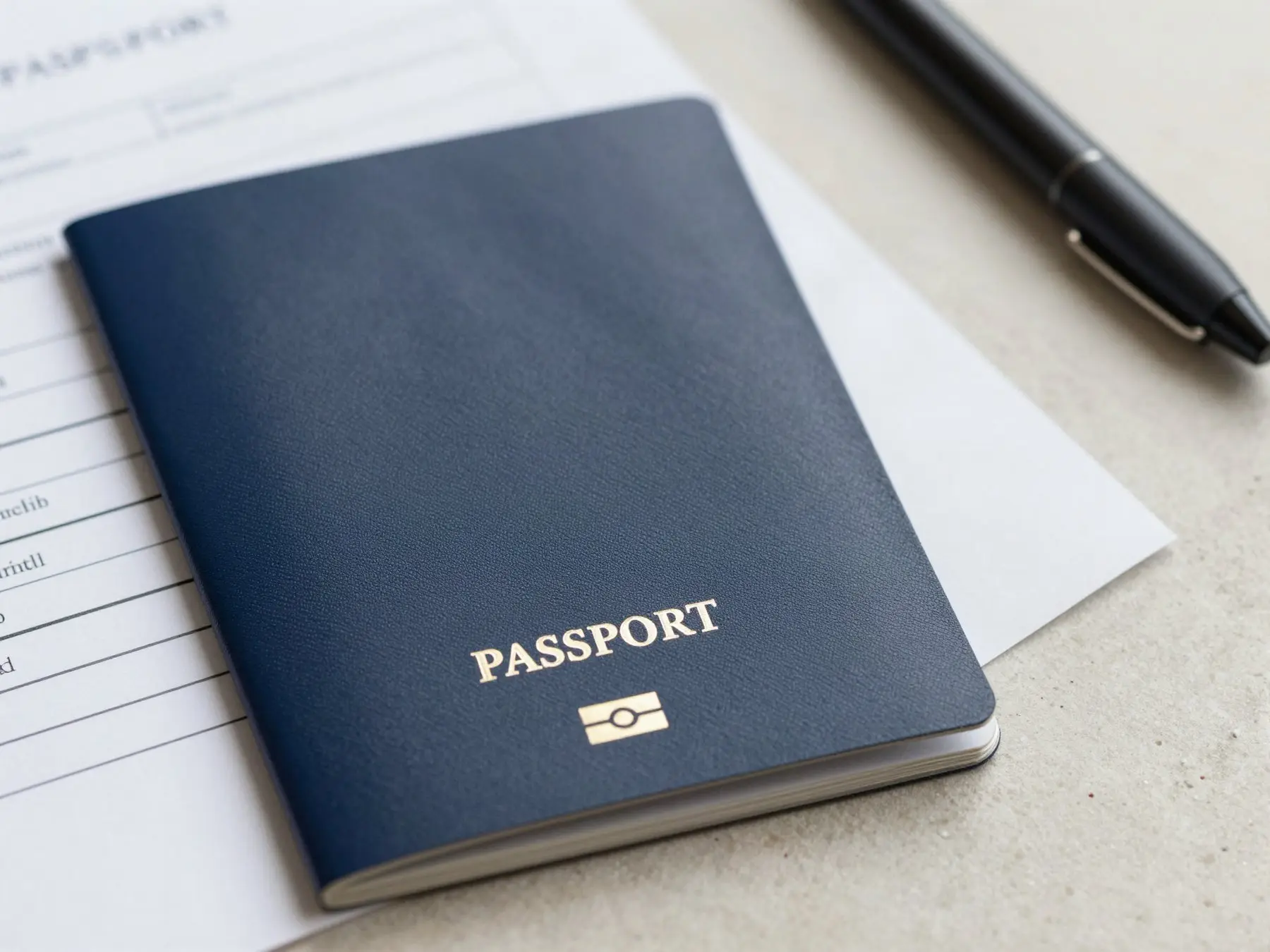
| Who | Document |
|---|---|
| Patient (S2) | Passport, application form and photo, as for any visa |
| Patient (S2) | Hospital admission certificate or proposed-treatment certificate (住院证明或拟收治证明), or an invitation letter from the hospital |
| Carer (S2) | The patient's hospital certificate, a carer certificate from the same hospital and proof of kinship |
| Anyone | Anything else the consular officer asks for |
| Patient applying for a medical residence permit in China | Certificate of hospitalisation or treatment of 6 months or more from a hospital at county level or above, or Grade II Class A or above |
When to apply, and what your passport needs
A Chinese Visa Application Service Center advises applying about one month before the date you intend to enter China, and not earlier than three months before. A visa is typically valid for three months from issue, so one applied for too early can expire before you travel. Where a visa is valid for one month or less, the same centre suggests applying about two weeks ahead.
The Chinese embassy in the UK asks for an original passport with at least six months of remaining validity and blank visa pages. Its page gives the fourth working day for collection with regular service and the third with express service. Timings and fees differ between missions, so check the one that serves you.
[17],[5]| Point | What the official page says | Published by |
|---|---|---|
| When to apply | About one month before entry, and not earlier than three months before | Visa Application Service Center |
| How long a visa stays valid for entry | Typically three months from issue; some visas one month or less | Visa Application Service Center |
| Passport | At least six months of remaining validity, with blank visa pages | Chinese embassy in the UK |
| Regular service | Ready for collection on the fourth working day | Chinese embassy in the UK |
| Express service | Ready for collection on the third working day | Chinese embassy in the UK |
If treatment takes longer than planned
With a visa, apply to the local public security exit-entry office for an extension at least 7 days before your permitted stay ends. The extension cannot be longer than the stay originally granted. If you entered visa-free and have a legitimate reason to stay longer, apply for a stay permit before the visa-free period ends.
For long treatment, the National Immigration Administration's guidance allows a private-affairs residence permit of up to 1 year on a hospital's certificate of 6 months or more of hospitalisation or treatment. Overstaying can bring a fine of RMB 500 a day, up to RMB 10,000, or detention.
[15],[16],[8],[6]| Action | Deadline | Where |
|---|---|---|
| Register where you stay, if not in a hotel | Within 24 hours of arrival | Local police, or online (see below) |
| Extend a visa | At least 7 days before the permitted stay ends | Public security exit-entry office |
| S1 holder applies for a residence permit | Within 30 days of entry | Public security exit-entry office |
| Renew a residence permit | At least 30 days before it expires | Public security exit-entry office |
| Visa-free visitor needs to stay longer | Before the visa-free period ends (stay permit) | Public security exit-entry office |
Registering where you stay
Hotels register foreign guests with the police. If you stay anywhere else — a rented flat, with relatives, in serviced accommodation that does not register you — you or your host must register with the local police within 24 hours of arrival. Since 21 September 2026 this can be done online anywhere in China, through the National Immigration Administration website, the NIA 12367 app, or its WeChat and Alipay mini programs. Online registration has the same legal effect as registering in person.
[15],[18]
On arrival
Since 20 November 2025 the arrival card can be filled in online before you land, through the same NIA channels; paper cards are still accepted. Filling it in online is free — the National Immigration Administration warns about fraudulent websites that charge for it.
You can bring your own medicines in reasonable quantities for personal use. Carry the prescription or medical records and declare them to customs. Narcotic and Category I psychotropic medicines are limited to the maximum on a single prescription and need a diagnosis certificate from a medical institution. Cash of RMB 20,000 or more, or foreign currency worth USD 5,000 or more, must be declared.
[19],[20],[21],[22],[23]
Dates to watch
Several concessions that make a trip easier are temporary. If your treatment is planned for 2027, check again in December 2026.
| Measure | Ends |
|---|---|
| Unilateral 30-day visa-free entry, for 48 of the 50 listed countries | 31 December 2026 |
| Visa-free entry for the UK and Canada (from 17 February 2026) | 31 December 2026 |
| Visa-free entry for Russia | 31 December 2027 |
| No fingerprints for short-term visa applicants (stays of 180 days or less) | 31 December 2026 |
| Reduced visa fees (checked with the Toronto consulate; other missions issued similar notices) | 31 December 2026 |
A twelve-week planning frame
Twelve weeks is our planning frame, not a medical or official deadline. It matches the visa window — a visa centre advises against applying more than three months before entry — and leaves time for a hospital to review your records. If your condition is urgent, get treated where you are rather than waiting for a trip. Complex cases can take longer.
Work through the stages in order: the visa depends on the hospital, and the hospital depends on your records. The week numbers are our suggestion; the fixed points in the last column come from the official pages listed in the references.
[17]
| When | What to do | Fixed points from official pages |
|---|---|---|
| About 12 weeks before | Ask your current doctor whether travel is safe for you. Gather your records: a doctor's summary, test, pathology and imaging reports from the last three to six months with the image files, and a medicines list. Have records that are not in Chinese or English translated. Shortlist hospitals and confirm the department, campus and language support. | — |
| About 12 to 8 weeks before | Send your records to the hospital's international unit. Ask which documents it needs, whether it reviews them before you travel, and for a written estimate. | — |
| About 8 to 5 weeks before | Get the hospital's admission or proposed-treatment certificate, and a carer certificate for anyone travelling with you. Check your insurer's position on treatment abroad and direct billing. | An S2 application needs the hospital certificate; a carer also needs a carer certificate and proof of kinship |
| About 4 weeks before | Apply for the visa at the embassy, consulate or visa centre that serves you, unless a visa-free route covers your trip. | Apply about one month before entry and not earlier than three months before. Passport with at least six months of validity and blank visa pages |
| 3 to 1 weeks before | Once the visa is issued, book flights and accommodation near the right campus. Set up a payment method that works in China and carry a backup. Pack your medicines with the prescription or records. | Medicines in reasonable quantities for personal use, declared to customs; tighter limits for controlled medicines |
| The week you travel | Fill in the arrival card online before you land. | The online arrival card is free; paper cards are still accepted |
| On arrival | Register where you are staying, if it is not a hotel. | Within 24 hours of arrival |
| During treatment | If treatment is running over, apply to extend your stay. | At least 7 days before the permitted stay ends |
| Before you fly home | Ask the treating doctor when you are fit to travel, collect copies of your records and arrange follow-up care at home. | Patients have a legal right to view and copy their records |
Planning the trip home
The return deserves the same planning as the arrival. When you are fit to fly is a question for the doctor treating you, not for a travel plan — keep the return flight changeable until the doctor has answered it.
Collect your records before you leave. Chinese law gives patients the right to view and copy their records, and the hospital must stamp the copies. Copies are not always ready on the day of discharge: three Beijing hospitals whose notices we read accept applications from 3 to 7 working days after discharge. They take applications online and send copies by courier, so someone can apply for you after you have flown home. Ask for an English discharge summary as well — we have not found a national rule requiring one. Our guide to preparing medical records has the details.
If recovery takes longer than your permitted stay, apply for an extension at least 7 days before the stay ends. Before you leave, agree with the hospital how follow-up questions will be handled, and who at home will take over your care.
[27],[28],[29],[30],[31],[15]
What ChinaMedMap does, and does not do
ChinaMedMap does not apply for visas and is not a medical provider. It cannot promise that a hospital will accept you or that a visa will be issued. What it offers is information and matching: sourced profiles of hospitals in China that record what each international unit states about its services, guides like this one, and — if you ask — a person who matches your medical needs with hospitals, departments and doctors that may fit.
If you would like that help, tell us what you need. Nothing is shared with a hospital until you agree. See how it works.
Questions international patients ask
Can I come to China visa-free for hospital treatment?
Usually not. The 50-country visa-free scheme and 240-hour transit list business, tourism, visits, exchange and transit, not treatment. Hainan's visa-free entry and some mutual agreements, such as Malaysia's, do include medical treatment.[7],[11],[13],[4]
Which countries can enter China without a visa?
Ordinary-passport holders from 50 countries can enter mainland China visa-free for up to 30 days for business, tourism, visits, exchange and transit — most of Europe, plus Australia, New Zealand, Japan, South Korea, Canada, Brazil and others listed above. Medical treatment is not a listed purpose. Hainan's separate scheme covers 61 countries and does include it.[7],[8],[13]
Do US citizens need a visa for medical treatment in China?
For mainland China, yes — the United States is not on the 50-country visa-free list, so apply for an S2 visa with the hospital's certificate. The United States is on Hainan's 61-country list, which allows visa-free stays of up to 30 days within Hainan and names medical treatment as a purpose.[7],[13],[2]
Can a family member come with me as a carer?
Yes, on an S2 visa. The carer submits the patient's hospital certificate, a carer certificate from the same hospital and proof of the family relationship.[2]
My treatment is taking longer than planned. What do I do?
With a visa, apply at the local exit-entry office at least 7 days before your permitted stay ends. If treatment will last 6 months or more, a hospital certificate can support a residence permit of up to 1 year. If you entered visa-free, apply for a stay permit before the visa-free period ends.[15],[6],[8]
Do I need to register with the police?
Only if you are not staying in a hotel — then within 24 hours of arrival. Since 21 September 2026 you can do it online through the NIA 12367 app, the WeChat or Alipay mini programs or the NIA website.[15],[18]
Can I bring my own medicines?
Yes, in reasonable quantities for personal use, with your prescription or records, declared to customs. Controlled medicines have tighter limits and need a diagnosis certificate.[21],[22]
What medical records should I prepare before contacting a hospital in China?
A doctor's summary, recent test, pathology and imaging reports with the image files, and a list of your current medicines and allergies. In our experience hospitals want results from the last three to six months, and records that are not in Chinese or English need a certified translation. Confirm the exact list with the hospital or department.
How far ahead should I start planning a medical trip to China?
About twelve weeks is a workable frame — time for a hospital to review your records, then the visa, which a visa centre advises applying for about one month before entry and not earlier than three months before. It is a planning aid, not a deadline. An urgent condition should be treated where you are.[17]
What does my passport need for the visa?
The Chinese embassy in the UK asks for an original passport with at least six months of remaining validity and blank visa pages. Check the checklist of the mission that serves you.[5]
Does a hospital's acceptance guarantee a visa?
No. The hospital's certificate is one of the documents for an S2 application, and consular officers can ask for more. Keep travel bookings changeable until the visa is issued.[2],[5]
Does ChinaMedMap arrange visas?
No. ChinaMedMap does not file visa applications and is not a medical provider. You apply at the Chinese embassy, consulate or visa centre that serves you, with the certificate your hospital issues.[2]
This guide covers logistics, not medical advice. Rules change — check the dates on the references below and confirm with the hospital, the embassy or the authority named. This page was drafted with AI assistance from the official sources listed and approved for publication by ChinaMedMap. ChinaMedMap is not an emergency service; in mainland China call 120 for an ambulance.
References
- 外国人入境出境管理条例 (State Council Decree 637)National Immigration Administration · Chinese · dated 2013-09-01 · retrieved 21 September 2026
- Chinese Visa Application Service Center (Medan) — S2 document checklistChinese Visa Application Service Center · Chinese · dated 2025-07-15 · retrieved 21 September 2026
- Nation's efficient medical care draws foreign patientsChina Daily · English · dated 2026-01-21 · retrieved 24 September 2026
- Embassy of the PRC in Malaysia — visa categories and documentsEmbassy of the PRC in Malaysia · English · dated 2025-12-19 · retrieved 21 September 2026
- Part Two: How to Apply for a Visa for China (Mainland only)Embassy of the PRC in the United Kingdom · English · dated 2020-07-01 · retrieved 2 October 2026
- NIA guide — residence permits for private affairs (medical provision)National Immigration Administration · Chinese · dated 2019-09-05 · retrieved 21 September 2026
- NIA — List of countries eligible for unilateral visa-free entryNational Immigration Administration · English · dated 2026-02-17 · retrieved 2 October 2026
- 单方面免签政策常见问题解答 FAQs on Visa-free Entry into ChinaMinistry of Foreign Affairs of the PRC (Consular service platform) · Chinese/English · retrieved 2 October 2026
- 关于延长对俄罗斯单方面免签政策的通知Ministry of Foreign Affairs of the PRC · Chinese · dated 2026-05-20 · retrieved 24 September 2026
- Q&A on Visa-Free Entry into China Under Mutual Visa Exemption AgreementsNational Immigration Administration · English · dated 2025-07-04 · retrieved 24 September 2026
- NIA — 240-hour visa-free transit policyNational Immigration Administration · English · dated 2026-08-20 · retrieved 21 September 2026
- Announcement on Adding Kyrgyzstan and Vietnam to the List of Countries Eligible for the 240-Hour Visa-Free Transit Policy and the 30-Day Visa-Free Entry PolicyNational Immigration Administration · English · dated 2026-08-20 · retrieved 24 September 2026
- 外国人区域性入境免签政策National Immigration Administration (国家移民管理局) · Chinese · dated 2026-08-20 · retrieved 2 October 2026
- FAQs About Port Visas and Other Related IssuesNational Immigration Administration · English · dated 2024-02-29 · retrieved 24 September 2026
- Exit and Entry Administration Law of the PRC (English)National Immigration Administration · English · dated 2013-07-01 · retrieved 21 September 2026
- Entry-Exit and Stay (Residence) of Foreigners: Instructions on Visa ApplicationNational Immigration Administration · English · dated 2021-04-01 · retrieved 2 October 2026
- Chinese Visa Application Service Center (Medan) — FAQ: the best time to apply for a visa before departureChinese Visa Application Service Center · English · retrieved 2 October 2026
- Notice of the National Immigration Administration for Foreigners Residing or Staying in Domiciles Other Than Hotels (No. 7 of 2026)National Immigration Administration · English · dated 2026-09-21 · retrieved 24 September 2026
- Notice on Online Completion of Foreigners' Arrival CardEmbassy of the PRC in the United Kingdom · English · dated 2025-12-02 · retrieved 24 September 2026
- Beware of Fraudulent Websites for Arrival Card FillingNational Immigration Administration · English · dated 2025-12-05 · retrieved 24 September 2026
- What are the requirements for carrying medicines for personal use when entering or leaving China?Chongqing Municipal People's Government · English · dated 2026-06-29 · retrieved 24 September 2026
- How can I bring psychotropic medications into China?Shanghai Municipal People's Government · English · dated 2025-10-28 · retrieved 24 September 2026
- Customs Clearance Guide for International PassengersGeneral Administration of Customs of the PRC · English · retrieved 24 September 2026
- Notice on China's Visa Waiver Policy for the UK and CanadaEmbassy of the PRC in the United Kingdom · English · dated 2026-02-15 · retrieved 24 September 2026
- Notice on the Fingerprint Collection Exemption for Short-term Visa ApplicantsEmbassy of the PRC in Malaysia · English · dated 2025-12-20 · retrieved 24 September 2026
- Notice on Extension of Visa-Fee ReductionConsulate-General of the PRC in Toronto · English · dated 2025-12-26 · retrieved 24 September 2026
- 医疗纠纷预防和处理条例 (State Council Decree 701) (reprint)State Council (reprinted by Beijing Municipal Health Commission) · Chinese · dated 2018-10-01 · retrieved 21 September 2026
- 医疗机构病历管理规定(2013年版)National Health and Family Planning Commission (State Council Gazette) · Chinese · dated 2013-11-20 · retrieved 21 September 2026
- 北京协和医院APP病历复印上线告知书北京协和医院 · Chinese · dated 2020-06-20 · retrieved 24 September 2026
- 北京朝阳医院住院病案复印指南首都医科大学附属北京朝阳医院 · Chinese · dated 2025-01-17 · retrieved 24 September 2026
- 病历复印须知-就医指南-清华大学附属北京清华长庚医院清华大学附属北京清华长庚医院 · Chinese · dated 2023-09-08 · retrieved 24 September 2026
Request international patient support →
Found an error? Tell us.
Need help finding the right hospital?
Tell us what you need. A person on our team reviews every request and replies with providers that may fit. We share your details with a provider only after you agree.
Request International Patient SupportNot an emergency service. In an emergency, call your local emergency number.